Enrol Now
Categories
Blog

Makeup Artist Hygiene Standards: How to Keep Your Kit Clean (and Why Clients Notice)

Makeup artist hygiene is one of the clearest signs that an artist is ready to work professionally. Clients may not know the difference between every brush shape or base formula, but they do notice clean hands, organised products, fresh disposables and a calm, hygienic setup.

For students, bridal makeup artists, fashion artists and travelling freelancers, hygiene is not a small detail. It protects clients, protects your reputation and makes your work feel more premium before the first product touches the skin. In practice, a clean kit tells people you are reliable, trained and serious about the job.

Why makeup artist hygiene matters

Professional makeup happens close to the skin, eyes and mouth. Therefore, the way you handle products, tools and surfaces has a direct effect on client comfort and trust.

In the UK, Habia is recognised by government as the Standard Setting Body for the hair, beauty, nails, spa and aesthetic sectors. That matters because professional beauty work is not only creative. It is also built around standards, safety and responsible practice.

The Health and Safety Executive also gives COSHH guidance for beauticians, including good hand care, ventilation, techniques that reduce contact with harmful substances, and personal protective equipment where needed. Although makeup artistry is not always treated like a clinical environment, professional artists still need disciplined working habits.

Clients notice your kit before your technique

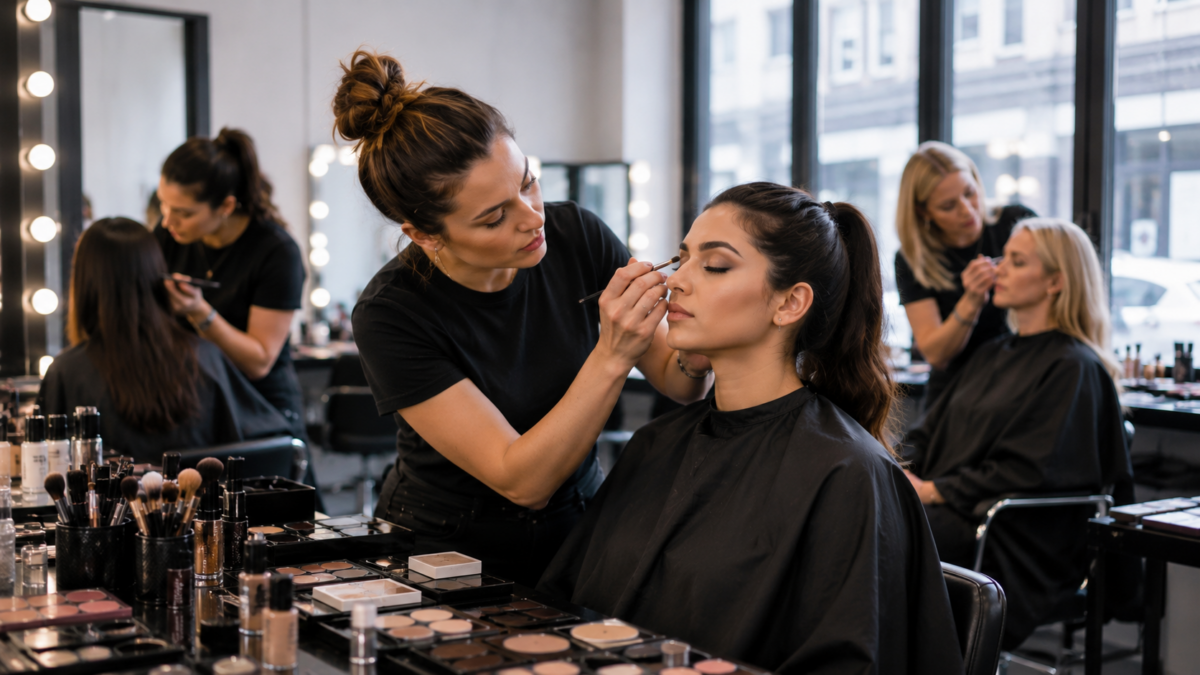
A client often forms an opinion before they see the finished look. They notice whether your station looks organised, whether your brushes look clean, whether your products are wiped down and whether you use disposable tools around the eyes and lips.

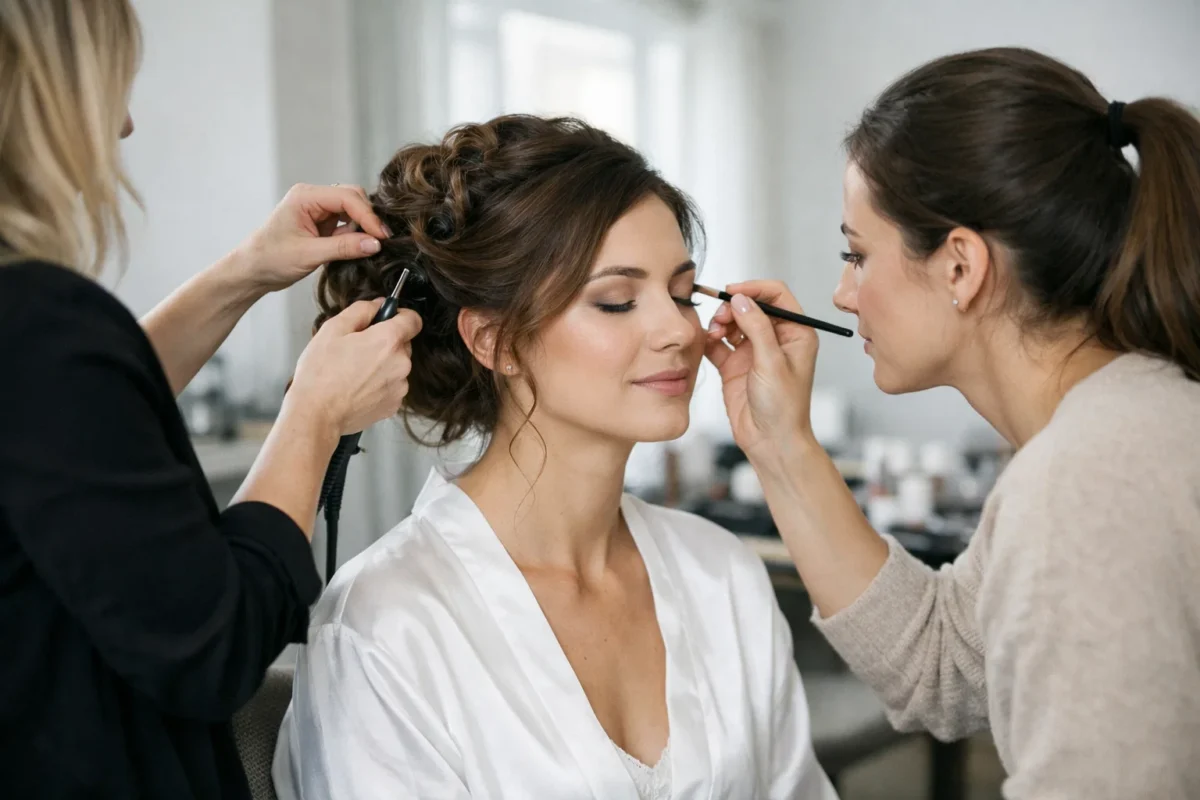
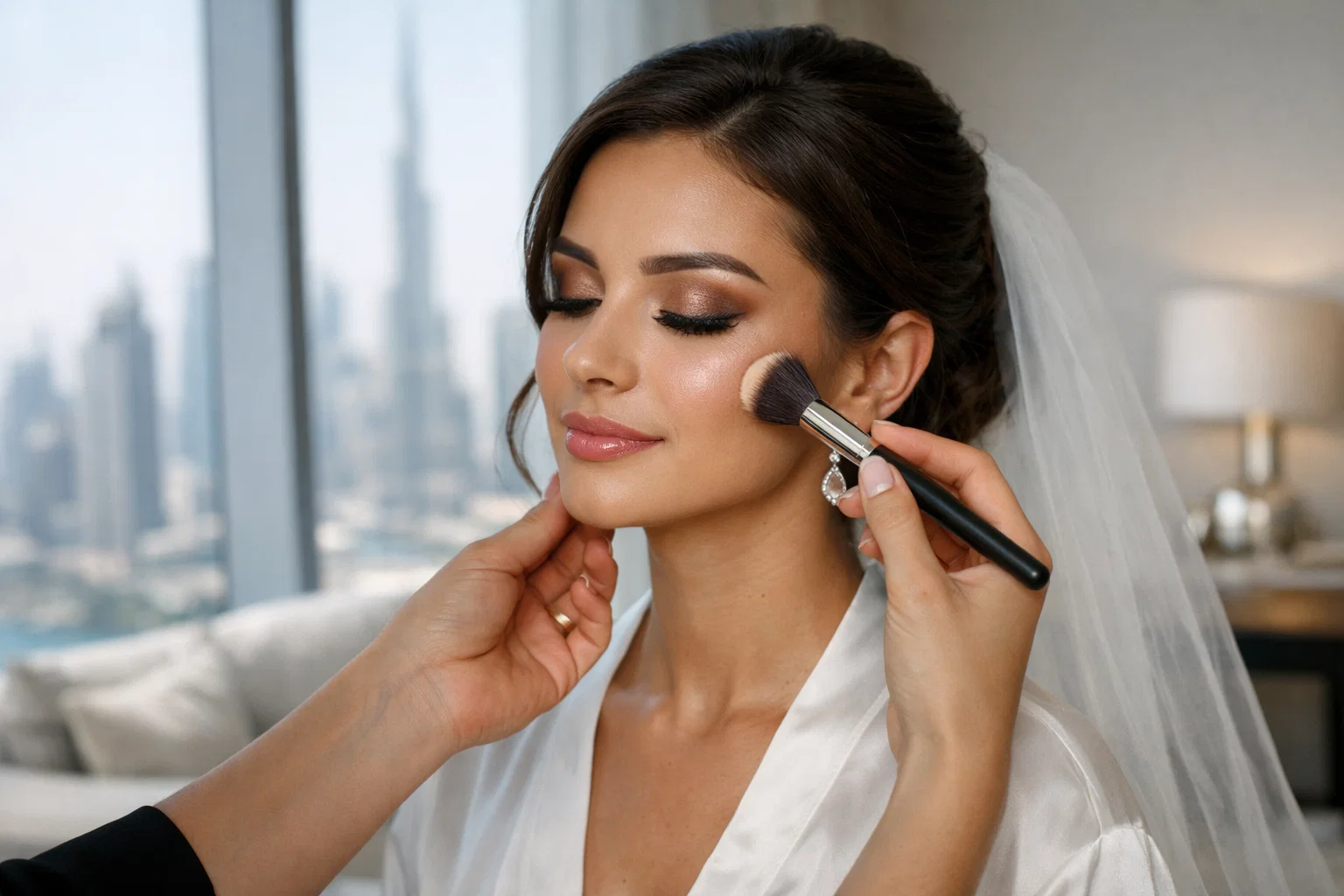
This is especially true for brides. A bride may sit with you on one of the most photographed mornings of her life. If your kit looks chaotic, sticky or overused, it can create doubt, even if your artistry is strong.

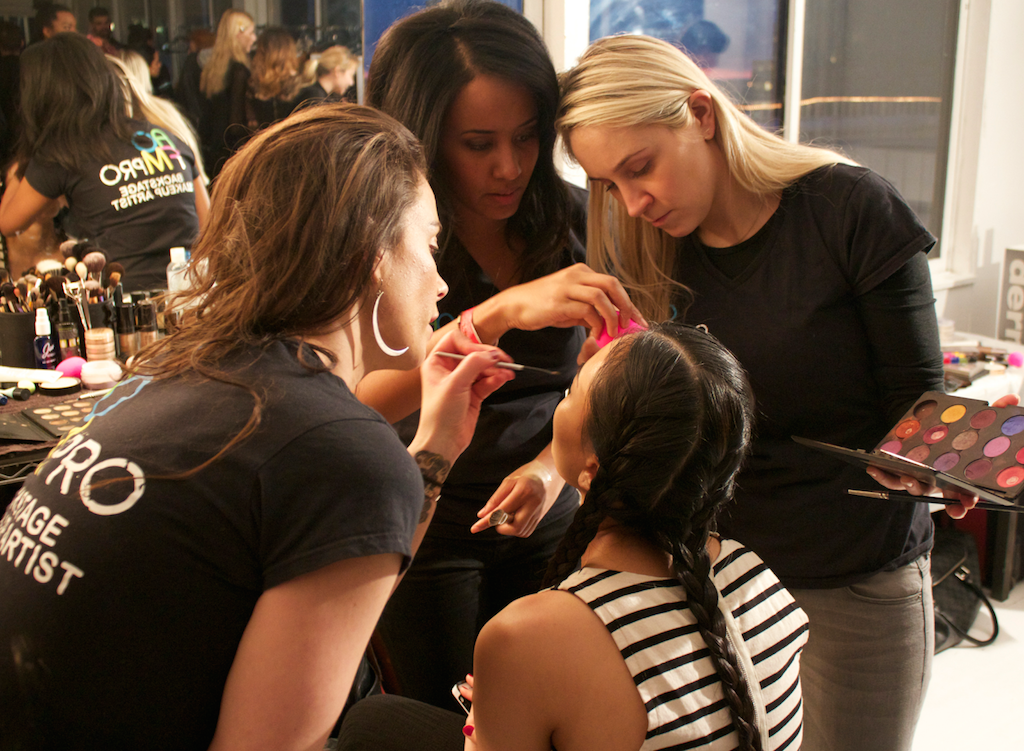
Similarly, on fashion shoots and backstage jobs, hygiene affects how confidently teams work with you. A clean, efficient kit helps you move quickly between faces without looking rushed or careless. As a result, good makeup kit hygiene becomes part of your professional identity.

Cleaning, sanitising and disinfecting, what is the difference?

Artists often use these words as if they mean the same thing. However, they are not identical.

Cleaning

Cleaning removes visible product, oil, dust and residue. For example, washing brushes with suitable brush cleanser and water is cleaning. Wiping down product packaging is also cleaning.

Sanitising

Sanitising reduces the number of germs on a surface. In a makeup kit, this may include sanitising hard surfaces, palette wells, sharpeners, metal tools and product packaging.

Disinfecting

Disinfecting targets a broader range of microbes and is usually used for hard, non-porous surfaces or tools. However, not every makeup product can be safely disinfected without damaging the formula. For this reason, professional artists should use clean tools, decant products and avoid direct contact wherever possible.

In practice, strong makeup artist hygiene means you understand when to clean, when to sanitise, when to replace and when to throw something away.

How to clean makeup brushes, professional method

If you search for how to clean makeup brushes professional, the answer is not simply “wash them sometimes”. A working artist needs both a daily system and a deep cleaning routine.

Between clients

Between clients, remove visible product from brushes and use a professional brush cleaner suitable for quick use. Let the brush dry fully before using it again. However, if a brush has touched a client with a visible skin or eye concern, take it out of rotation and deep clean it properly.

For busy environments, such as bridal mornings or backstage fashion, keep separate containers for clean and used brushes. This avoids confusion and stops you from accidentally reusing a contaminated tool.

After each job

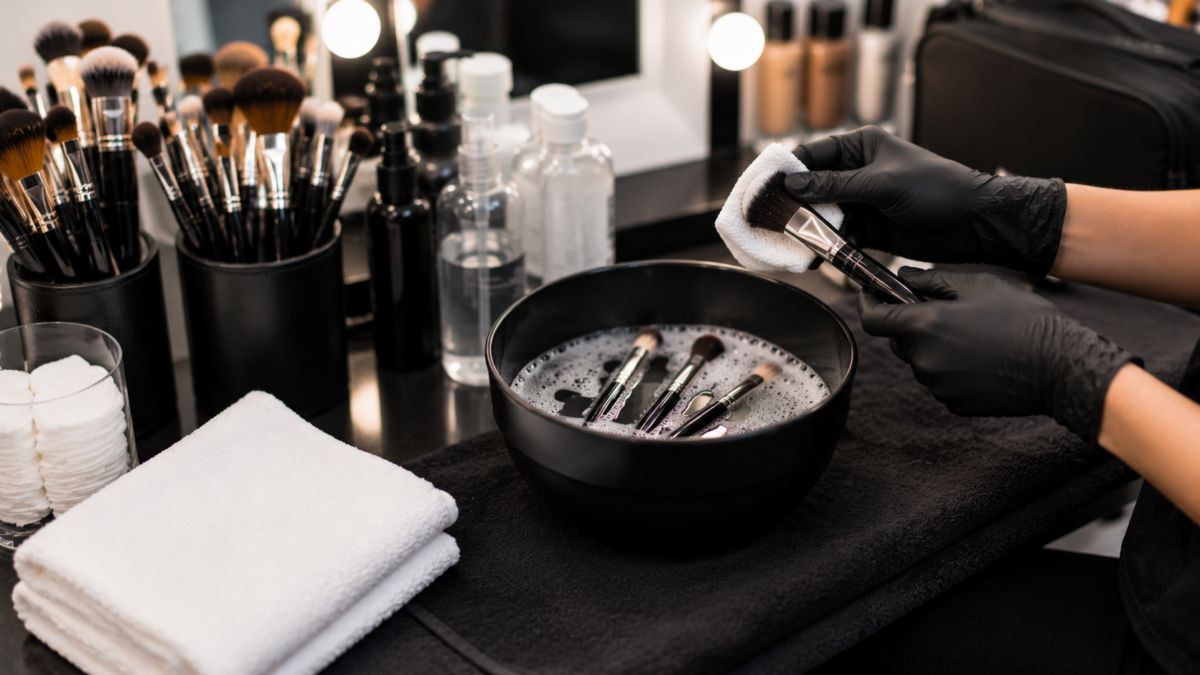
After a job, deep wash brushes with a suitable cleanser. Work the product out gently, rinse thoroughly, squeeze out excess water and dry brushes flat or angled down so water does not run into the ferrule.

Do not pack damp brushes into a closed bag. Moisture, warmth and residue create the wrong environment for a professional kit. Instead, let brushes dry fully before storing them.

For sponges and puffs

Sponges can be difficult to keep hygienic because they absorb product and moisture. Therefore, many professional artists use disposable sponges or assign a sponge to one client only.

Powder puffs should also be client specific. If you use a puff on one face, do not press it into loose powder and then use it on another client. Instead, decant powder into a clean palette or tissue first.

Makeup kit hygiene for products

Your tools matter, but your products matter just as much. Cross-contamination usually happens when artists dip directly into products and then apply them to the face.

Creams, liquids and gels

For cream foundations, concealers, lipsticks and gels, use a clean spatula to decant product onto a palette. Then apply from the palette with a clean brush. This keeps the original product fresh and avoids transferring skin oils or bacteria back into the container.

Avoid pumping foundation directly onto the back of your hand unless your hands are freshly cleaned and the product will only be used on that one client. A stainless steel or disposable palette looks more professional and keeps the process cleaner.

Mascara, liner and lip products

Never use the product’s original wand on multiple clients. Use disposable mascara wands and do not double dip. Once the wand touches the client, it should not go back into the tube.

The same principle applies to lip gloss and liquid lipstick. Use a disposable applicator or decant product first. Because these products touch the mouth area, clients often notice this hygiene step immediately.

Pencils and sharpeners

Sharpen pencils before use, then sanitise where appropriate. Keep your sharpener clean as well. A dirty sharpener can undo an otherwise clean process.

Working around eyes, lips and active concerns

The eyes and lips need particular care. The NHS describes conjunctivitis as red or pink eye, and notes that conjunctivitis with sticky pus is contagious. It also advises people not to wear contact lenses until their eyes are better.

For this reason, if a client arrives with red, gritty, sticky or irritated eyes, do not apply eye makeup over the issue. This can feel awkward, especially with a bride or model on a schedule. However, it is better to handle the situation professionally than risk spreading infection or worsening the client’s discomfort.

Similarly, avoid applying lip products directly over cold sores, broken skin or active irritation. In these cases, explain your hygiene policy calmly. Clients usually respect clear boundaries when they understand they are there for safety.

Hygiene for bridal artists

Bridal work brings unique hygiene challenges. You may work in hotel rooms, homes, destination venues or busy bridal suites with several people getting ready at once. Therefore, you need a system that works outside a perfect studio.

Pack your kit so you can set up cleanly anywhere. Bring surface covers, hand sanitiser, tissues, cotton buds, disposable lip and mascara applicators, clean towels, bin bags, a small sealable bag for used tools and enough brushes for multiple faces.

Also, manage product sharing. Bridesmaids may ask to borrow lipstick, powder or mascara. However, you should avoid casual sharing from your professional kit. Instead, decant touch up products safely or recommend that clients bring their own lip product for the day.

Hygiene for fashion, editorial and SFX work

Fashion and editorial environments move quickly. Meanwhile, SFX and creative makeup may involve adhesives, pigments, blood products, latex, wax or other materials that need careful handling. HSE guidance for beauty professionals highlights ventilation, good work techniques and protective equipment for some tasks, which becomes especially relevant when artists use stronger products or work in enclosed spaces.

For fashion artists, speed should never replace cleanliness. Keep brushes separated, wipe down surfaces, decant products and keep your hands clean between models. On set, your hygiene should look effortless because your system is already built.

For SFX work, check allergies, follow manufacturer instructions and remove products safely. In addition, keep adhesives and removers away from casual handling by clients or untrained assistants.

Hygiene for travelling makeup artists

Many artists now travel for bridal clients, shoots, fashion weeks and international training. However, travel can make makeup kit hygiene harder if you do not prepare properly.

Pack liquids securely, separate clean tools from used tools and carry travel safe cleaning essentials. Keep products protected from heat where possible, especially cream products, waxes and anything that may melt, leak or separate.

If you are moving between countries or climates, review your kit before each job. Products that worked well in a cool London studio may behave differently in heat or humidity. For this reason, hygiene and performance should both guide your packing decisions.

What students should learn from day one

Good habits are easiest to build at the start. Students should treat every class, practice face and portfolio shoot as real work. That means washing hands, setting up cleanly, using disposables correctly and cleaning down after every session.

AOFM’s foundation course is designed for aspiring makeup artists starting their makeup journey, and the course description highlights fundamental makeup techniques plus tutors sharing professional industry experience. That kind of training environment is important because students need more than application steps. They need to understand how professionals behave around clients, models and teams.

In addition, AOFM’s wider academy positioning references international schools, aftercare and work placement opportunities for graduates. For students who want to work in bridal, fashion, media or travel markets, hygiene standards need to travel with them too.

A professional hygiene checklist for your kit

Use this as a working checklist before every job:

  • Clean brushes, separated from used brushes
  • Disposable mascara wands, lip applicators and cotton buds
  • Clean spatula and palette for decanting products
  • Hand sanitiser and access to hand washing where possible
  • Sanitised sharpener, tweezers and lash tools
  • Tissues, wipes, surface covers and small bin bags
  • Clean towels or couch roll for your station
  • Sealed bag or pouch for used tools
  • Fresh sponges or client specific puffs
  • Products checked for expiry, smell, texture and leakage

In practice, this checklist should feel automatic. If you need to think too hard about hygiene during a job, your setup is probably not organised enough yet.

Common hygiene mistakes that cost artists trust

Most hygiene mistakes are avoidable. However, they can still damage your reputation quickly.

Common mistakes include:

  • Double dipping mascara or lip gloss
  • Mixing clean and used brushes in one pot
  • Using dirty makeup sponges
  • Applying makeup over visible eye irritation
  • Forgetting to clean packaging
  • Blowing on brushes or palettes
  • Using fingers directly from pot to face
  • Ignoring product expiry dates
  • Leaving dirty tissues or cotton buds on the station
  • Letting clients handle products freely

These details may seem small, but they build the client’s impression of your professionalism. Ultimately, people book artists they trust.

Frequently asked questions

How often should a professional makeup artist clean brushes?

Clean brushes after every job and deep wash them before using them on another client. During busy days, use a between client brush cleaner only when the brush can dry fully and has not been used on any active skin or eye concern.

Can a makeup artist use the same products on different clients?

Yes, but only with correct hygiene. Decant creams, liquids and lip products onto a clean palette. Use disposable applicators for mascara and lip products, and never double dip.

What should every makeup artist carry for hygiene?

Every artist should carry hand sanitiser, clean tissues, cotton buds, disposables, brush cleaner, a spatula, a palette, surface covers, a sharpener, wipes and a separate pouch for used tools.

Is makeup artist hygiene important for bridal clients?

Yes, bridal clients notice hygiene because the appointment feels personal and high pressure. A clean kit reassures the bride that you are prepared, organised and professional.

Final thought

Makeup artist hygiene is not separate from artistry. It is part of the service, part of the client experience and part of what makes your work bookable.

Clean tools, careful product handling and a disciplined setup tell clients that you respect their skin, their time and their trust. Whether you are training, building a bridal business, working backstage or travelling internationally, your hygiene standards should be as polished as your final look.
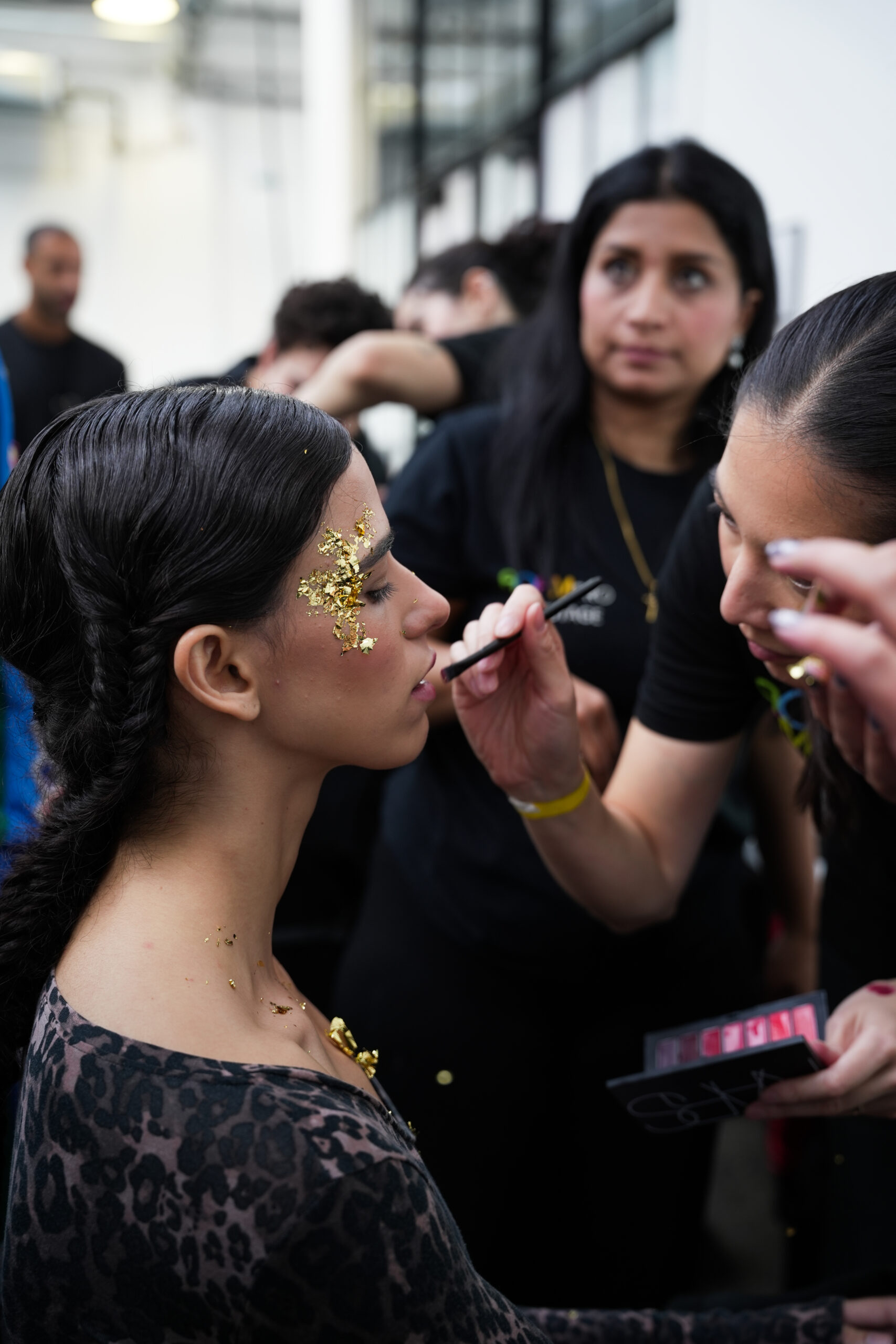
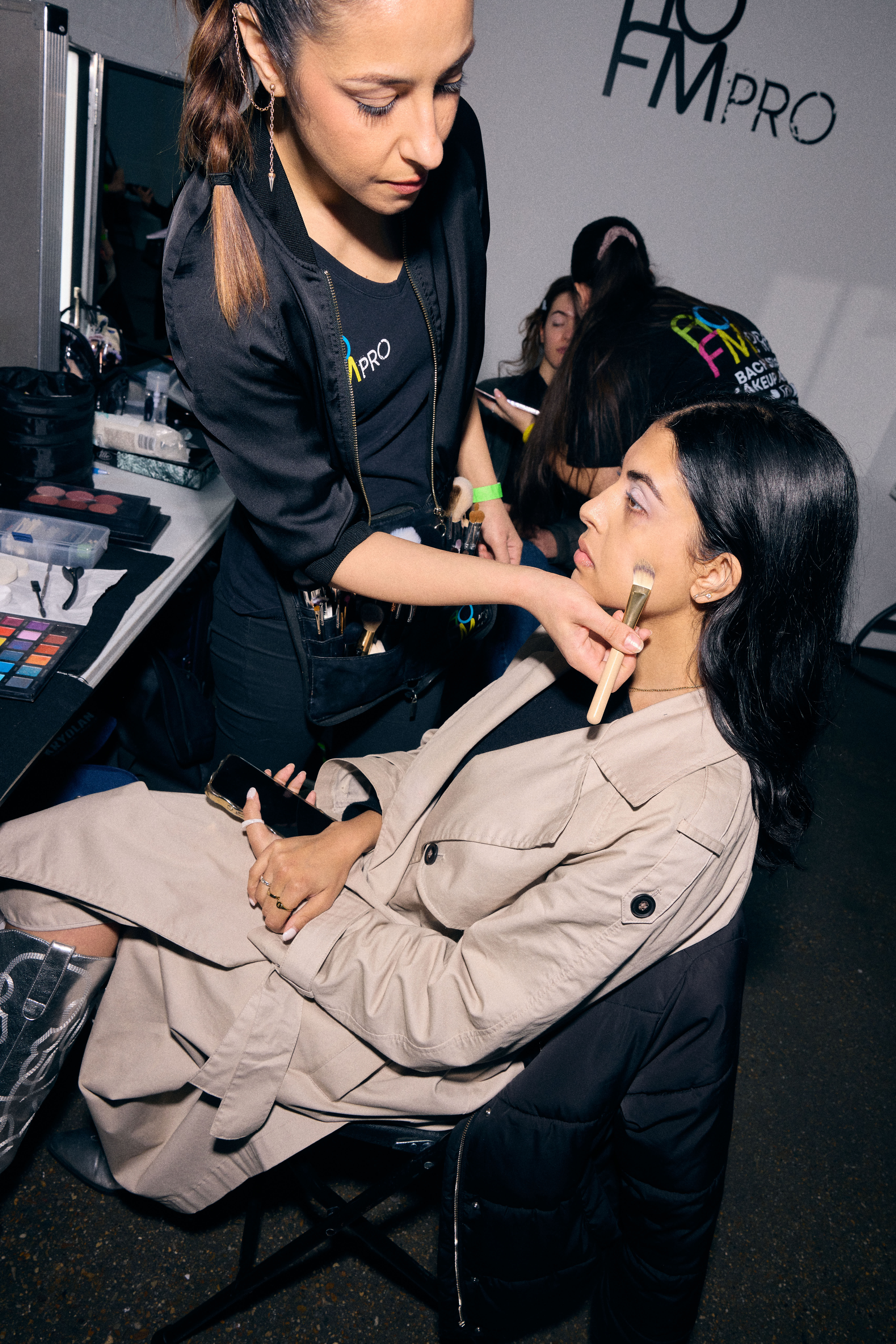
Categories
Blog Home Page Items

Who Are AOFM – Academy of Freelance Makeup

AOFM, the Academy of Freelance Makeup, is an international makeup school built for people who want more than a basic beauty course. It is designed for students, aspiring makeup artists, bridal artists, fashion creatives and freelancers who want training that connects technique with real industry direction.

At its core, AOFM teaches professional makeup artistry through a freelance-focused model. The academy offers training in London, Dubai, New York and online, and its course range covers makeup, hairstyling, bridal styling, special effects, Asian and Arabic bridal makeup, fashion, editorial, photographic and creative makeup. AOFM also states that it has helped more than 15,000 students and has more than 30 years of experience within the makeup industry.

What makes AOFM different?

Many students choose a makeup course because they love beauty. However, becoming a professional makeup artist requires more than passion. You need technical skill, confidence on real faces, hygiene discipline, portfolio awareness, product knowledge and an understanding of how the freelance industry works.

This is where AOFM’s approach is distinctive. The academy says it was created as a makeup school owned and operated by working freelance makeup artists. Its teaching model is built around guest tutors who are active in the industry, rather than relying only on full-time classroom teachers.

For students, this matters because makeup changes constantly. Editorial skin, bridal longevity, runway speed, social media lighting and SFX techniques all evolve. Therefore, learning from artists who still work on shoots, events, fashion weeks and commercial jobs can make the training feel more current and more connected to the realities of paid work.

A school built around freelance careers

AOFM is not just teaching students how to apply makeup. It is teaching them how to think like freelance artists.

That difference matters. A freelance makeup artist needs to know how to prepare a kit, speak to clients, interpret a brief, work with photographers, handle pressure, assist senior artists, maintain hygiene and build a portfolio. In addition, artists need to understand how different sectors of the industry work, because bridal, fashion, film, SFX and commercial beauty all have different expectations.

AOFM’s course pages repeatedly position its training around professional freelance work. Its London course page states that students learn makeup and hairstyling while developing a solid understanding of freelance professional work. Meanwhile, its wider course page says its international makeup courses include bridal styling, special effects, Asian makeup and creative makeup.

What courses does AOFM offer?

AOFM offers a wide range of makeup courses, which makes it suitable for different levels and career goals. Some students start as complete beginners. Others are already working artists who want to sharpen a specific skill, add hair to their service, improve their bridal work or move into SFX.

Foundation makeup courses

Foundation training is usually the starting point for students who are new to makeup artistry. AOFM’s 6-day Foundation Certificate in Makeup Artistry is designed for aspiring makeup artists at the beginning of their journey, and it covers fundamental makeup techniques with tutors sharing industry insight.

This kind of course is useful if you want to build your confidence before committing to a longer programme. It can also suit beauty lovers who want a structured introduction to professional application, product use, skin prep and technique.

In practice, foundation training should help you understand the basics properly. That includes complexion, eyes, lips, skin types, undertones, hygiene, tool control and how makeup behaves under different lighting.

Hair and makeup courses

AOFM’s 18-day Hair and Makeup course is aimed at students who want a fuller introduction to both makeup artistry and hairstyling. The course is described as suitable for beginners who want to develop advanced skills in makeup and hairstyling techniques.

This is especially relevant for bridal artists, travelling freelancers and event makeup artists. Brides often want hair and makeup to work together, while fashion and editorial teams expect artists to understand how the full look comes together.

Even if you do not plan to become a full-time hairstylist, hair training can make you more employable. It helps you understand balance, timing, texture, face shape and the overall finish of a look.

Advanced makeup artistry

For students who want to move beyond basics, AOFM offers advanced training routes. Its 12-day Foundation to Advanced Makeup Artistry course is described as a programme for serious and ambitious artists who want to learn a wider range of application techniques from professional working makeup artists.

Advanced training is important because professional makeup is not about repeating one look. A strong artist can adapt technique to the person, brief, lighting and job. For example, soft bridal glam requires a different finish from editorial beauty, and HD-ready commercial makeup needs different judgement from high-impact fashion work.

Therefore, advanced training should help students develop range. It should also help them start building a more focused portfolio.

Fashion, editorial and runway training

AOFM has a strong connection with fashion-led makeup education. Its London course page refers to giving students the opportunity to experience major fashion events, including London Fashion Week, in a professional context. Its wider course information also references fashion, photographic, magazine, conceptual and avant-garde makeup within its intensive programmes.

Fashion makeup is a discipline in itself. It teaches speed, teamwork, creative direction and the ability to interpret a brief. As a result, it is useful even if you later work in bridal or commercial beauty, because it trains your eye and your professionalism.

In a fashion environment, your work must support the clothes, model, styling and lighting. Therefore, the best training does not only ask whether the makeup looks good. It asks whether the makeup belongs in the story.

Bridal makeup training

Bridal makeup is one of the most commercially important areas for many freelance artists. It requires beautiful technique, but it also demands calm communication, time management, product longevity and client trust.

AOFM’s course range includes bridal styling, pro bridal, Asian and Arabic bridal makeup, and hairstyling. These areas are particularly relevant for students who want to work with brides, destination weddings, luxury clients or culturally diverse bridal parties.

A strong bridal artist needs to understand more than soft glam. They need to know how makeup photographs, how it lasts, how it works with hair and jewellery, and how to guide a client through a trial. In addition, bridal artists often need to work with different skin tones, ages and style preferences within the same booking.

For this reason, bridal training should feel practical. It should prepare students for real appointment timings, client expectations and the pressure of delivering polished results on an important day.

Special effects and creative makeup

AOFM also offers Creative Special Effects Makeup training. Its course listing says this pathway helps artists expand their skills by learning the fundamentals of Special FX makeup, and it includes teaching from TV and film makeup artists.

SFX is useful for students interested in film, television, theatre, music videos, Halloween work, performance makeup, editorial concepts or creative content. However, it also builds discipline that supports beauty work. SFX artists must pay close attention to texture, realism, placement, safety and removal.

AOFM’s intensive programmes also include media makeup, theatre performance, creative conceptual work, avant-garde makeup and SFX. Consequently, students who want a broader creative career can build skills beyond standard beauty application.

Online makeup courses for global students

Not every student can travel to London, Dubai or New York straight away. For this reason, AOFM also offers online makeup courses for students who want to train from home or while travelling.

AOFM states that its online school allows global students to develop their knowledge from any location, and every online student receives a personal mentor from start to finish. The online course range also covers bridal styling, special effects and creative makeup.

This can suit students who are testing the industry, balancing work or family commitments, or living outside a major beauty hub. However, online learning works best when students stay disciplined. You need to practise consistently, photograph your work properly and seek feedback with the same seriousness you would bring to a classroom.

Aftercare, masterclasses and work opportunities

One of the biggest differences between a short course and a career-focused academy is what happens after training. AOFM places strong emphasis on aftercare, which includes masterclasses, workshops, future course access, brand education, events, networking and ongoing support for graduates.

AOFM also states that it offers more than 700 working and assisting positions every year, and its opportunities page says it has placed graduates in more than 7,000 international internships, assisting roles and job opportunities around the world.

It is important to understand this properly. Work placements are not simply automatic for every student. AOFM’s Dubai school page states that placements are not guaranteed, that graduates need to demonstrate expertise and that an internal practical test pass is required. That is a healthier, more professional way to frame opportunity, because real clients and sets require real standards.

International qualifications and professional credibility

For students who want to work internationally, qualifications can matter. They are not a replacement for portfolio, skill or professionalism, but they can support credibility when applying for work, insurance, visas, further education or freelance opportunities.

AOFM’s qualifications page states that its academies and courses are accredited by several government-regulated accreditation and awarding bodies, including CIBTAC, BABTAC, Ofqual, City & Guilds, KHDA and QAD. The same page also notes that some awarding bodies are used in more than 1,000 schools and over 200 countries.

For a student comparing makeup schools, this is a practical point. You should always look beyond course titles and ask what qualification you receive, who recognises it, what practical work is assessed and whether the course prepares you for the work you actually want to do.

Who is AOFM best suited to?

AOFM is especially relevant for students who want a professional route into freelance artistry. That may include beginners who want structured training, existing artists who want stronger portfolio work, bridal artists who want hair and cultural bridal skills, fashion artists who want backstage exposure, and creatives who want to explore SFX or media makeup.

It can also suit people who want to travel. Because AOFM teaches in London, Dubai, New York and online, its model speaks to students who want international training and a career that is not limited to one city.

Ultimately, the right student is someone who wants to work seriously. AOFM’s strongest value is not simply that it teaches makeup. It is that it frames makeup as a professional, freelance and international career path.

What should students look for before choosing a course?

Before choosing any course, be clear about your goal. Do you want to become a bridal artist, work backstage, build a beauty portfolio, enter SFX, travel for work or offer hair and makeup together?

Then look at the course through that lens. A strong programme should offer:

  • Practical work on real faces
  • Tutors with current industry experience
  • Hygiene and professional standards
  • Portfolio development
  • Clear course levels, from beginner to advanced
  • Bridal, fashion, SFX or hair training if those match your goals
  • Honest information about aftercare and work opportunities
  • Qualifications that make sense for your career path

AOFM’s offer is broad, which can be a real advantage. However, students should still choose the course that matches their level and ambition, rather than simply picking the longest or most advanced option.

Frequently asked questions

Who are AOFM?

AOFM stands for Academy of Freelance Makeup. It is an international makeup school offering professional makeup, hairstyling, bridal, SFX, fashion, editorial and online training across locations including London, Dubai, New York and online.

Does AOFM teach bridal makeup?

Yes. AOFM’s course range includes bridal styling, pro bridal, Asian and Arabic bridal makeup, and hairstyling. This makes it relevant for students who want to work with brides, destination weddings, private clients and event bookings.

Does AOFM offer SFX makeup courses?

Yes. AOFM offers Creative Special Effects Makeup training, and its intensive programmes also include SFX, media makeup, theatre performance and creative conceptual makeup.

Can beginners study at AOFM?

Yes. AOFM offers beginner-level courses, including a 6-day Foundation Certificate in Makeup Artistry. It also offers longer courses that take students from beginner level towards more advanced professional training.

Final thought

AOFM, the Academy of Freelance Makeup, is built around a clear idea: makeup education should connect directly to the way the industry works. Students need technique, but they also need confidence, portfolio awareness, professional habits, creative range and access to ongoing learning.

That is why AOFM’s offer feels relevant for so many types of students. A future bridal artist can build beauty, hair and client-facing skills. A fashion-focused artist can explore editorial, runway and creative work. An SFX student can move into technical, screen-led and performance-based artistry. Meanwhile, international and online students can access training in a way that suits their location and ambitions.

For anyone serious about becoming a freelance makeup artist, AOFM is not just a place to learn application. It is a training environment designed to help students understand the industry, build their confidence and start shaping a career that can grow beyond the classroom.

Categories
Blog

Makeup Courses in London: How to Choose the Right Programme for Fashion, Bridal, or SFX

Choosing between makeup courses London can feel overwhelming at first. One programme might promise fashion and editorial training, another may focus on bridal clients, while a specialist option may introduce SFX, casualty makeup or screen-based techniques. The right choice depends on what kind of artist you want to become, how quickly you want to work professionally, and which environment you want your portfolio to speak to.

London is one of the strongest places to train because it exposes artists to several industries at once. Fashion, beauty, bridal, theatre, film, television, e-commerce, music and events all sit close together. As a result, the best makeup school London options do not only teach application. They help you understand where your skills fit commercially.

AOFM’s London courses reflect this wider industry mix, with training across makeup, hairstyling, bridal styling, special effects and creative makeup. That matters because modern artists rarely build careers from one skill alone. They build them from versatility, discipline and a portfolio that shows real range.

Start with your career goal

Before comparing course lengths or certificates, ask one question: what do you want your work to be hired for?

If your goal is fashion, you need a programme that teaches speed, creative interpretation and editorial finishing. If your goal is bridal, you need client consultation, longevity, soft glam, hair awareness and confidence across different skin tones. However, if you want screen, theatre or prosthetics, you need a more technical pathway that introduces health, safety, continuity and materials.

A strong professional makeup course London should help you answer that question honestly. It should also give you enough foundation training to change direction later, because many artists move between bridal, fashion, private clients and commercial work throughout their careers.

If you want fashion and editorial makeup

Fashion makeup in London is not just about bold looks. It is about understanding a brief, working quickly and creating makeup that supports the clothes, model, lighting and creative direction.

London’s fashion industry expects professionalism. The British Fashion Council states that London Fashion Week accreditation is reserved for industry professionals attending in a work capacity, such as press, buyers, stylists, photographers and broadcasters. In practice, this means backstage and fashion environments are professional workspaces, not casual observation spaces.

What fashion training should include

A fashion-focused course should teach:

  • Clean skin that reads well under studio and runway lighting
  • Editorial eye, lip and texture work
  • Photographic makeup for colour and black-and-white imagery
  • Creative direction, moodboards and references
  • Working to call times, face charts and team instructions
  • Portfolio shoot preparation

In addition, you should learn how to assist. Assisting is one of the most important early-career skills in fashion. You need to know when to step in, when to step back, how to prep a station and how to keep the lead artist’s rhythm moving.

AOFM’s wider course information mentions hands-on experience, major fashion events including London Fashion Week, and work placements for qualifying students. This is important because fashion training only becomes meaningful when students understand the pace and etiquette of real backstage work.

If you want bridal makeup

A bridal makeup course London needs a different focus. Bridal clients are not hiring experimentation first. They are hiring trust, polish and consistency. Therefore, your training needs to go beyond creating a pretty look in class.

In bridal, the client has to feel confident in person, on camera and often for a full day of events. The makeup must suit the dress, hair, jewellery, venue, lighting and personality of the bride. At the same time, it has to last through emotion, movement, photography and close contact.

What bridal training should include

A strong bridal pathway should teach:

  • Skin preparation for different skin types
  • Foundation matching and undertone correction
  • Soft glam, classic bridal, modern bridal and deeper glam looks
  • False lash application and eye shape adaptation
  • Mature skin techniques
  • Asian and Arabic bridal influences where relevant
  • Trial consultations and client communication
  • Basic hair styling or collaboration with hairstylists

AOFM’s London course information states that its courses include bridal styling, hairstyling, special effects and creative makeup. Meanwhile, its foundation course content includes bridal makeup, glowing skin, false lashes, undertones, mature skin and photography lighting. That range is useful because bridal artists need both beauty technique and practical client awareness.

If you want SFX, screen or theatre makeup

An SFX makeup course London is a very different decision from a beauty or bridal course. SFX is not only about making dramatic cuts or bruises. It is about believable design, safe material use, continuity and working within a production process.

ScreenSkills describes hair and makeup artists in scripted film and TV as professionals who may need skills across modern and period hair and makeup, wigs, casualty work and prosthetics. It also highlights continuity, fittings, documentation, set bags and standby work as part of the role.

What SFX training should include

A good SFX pathway should teach:

  • Health, safety and hygiene
  • Casualty effects such as bruises, cuts, grazes and burns
  • Wax, latex and gelatine basics
  • Blood, sweat and tear effects
  • Straight makeup for HD film and TV
  • On-set etiquette
  • Continuity notes and photographs
  • Safe product removal and skin awareness

AOFM’s creative special effects course content includes health, safety and hygiene, on-set etiquette, day and straight makeup for HD film and TV, plus basic casualty techniques using wax, latex and gelatine. It also includes realistic casualty effects such as cuts, bruises, grazes, burns, split lips, blood, sweat and tears.

For this reason, SFX training suits students who enjoy detail, structure and problem-solving. It can also support artists who want to work across music videos, theatre, editorial concepts or Halloween and event work.

Course length, how intensive should you go?

The right course length depends on your starting point and your goal.

A short course can be useful if you want to test the industry, improve a specific skill or add one area to an existing portfolio. For example, a six-day foundation course may suit beginners who want structured beauty training before deciding whether to specialise.

However, if you want to move towards professional freelance work, a longer programme often gives better range. AOFM’s 18-day professional hair and makeup course includes foundation makeup, advanced makeup artistry and portfolio building. Its longer complete programmes cover hair styling, beauty, pro bridal, fashion, editorial, photographic, conceptual and avant-garde makeup, airbrush, Asian and Arabic bridal, SFX and media makeup.

Ultimately, the question is not simply “how long is the course?” It is “what will I be able to do confidently at the end?”

Accreditation, certificates and what they really mean

Certificates can support your credibility, especially when applying for jobs, insurance, further training or international opportunities. However, a certificate alone will not get you booked. Clients and employers want to see your technique, attitude and portfolio.

Habia is recognised by government as the standard setting body for the hair, beauty, nails, spa and aesthetic sectors. This matters because professional beauty education should take hygiene, safety and industry standards seriously, not treat them as optional extras.

When comparing makeup courses London, look for clear information about:

  • What qualification or accreditation is included
  • What practical skills are assessed
  • Whether hygiene and safety are taught properly
  • Whether the course includes portfolio work
  • Whether tutors are active industry professionals
  • Whether aftercare or graduate support exists

AOFM states that its tutors are working freelance makeup artists who teach as guest lecturers, bringing current skills from magazines, editorials, celebrities, designers and Fashion Weeks. That approach is valuable because students learn from artists who understand the realities of modern freelance work.

Portfolio building should be part of the decision

Your portfolio is often the first thing a client, agency, bride or creative team sees. Therefore, any serious professional makeup course London should help you build work that looks relevant to your chosen market.

For fashion, this may mean editorial beauty, runway-inspired looks and creative close-ups. For bridal, it may mean natural light portraits, soft glam, hair and makeup combinations, and diverse skin tones. For SFX, it may mean clean, well-lit documentation of casualty work, character design or prosthetic effects.

AOFM’s advanced and longer course content references portfolio-building photoshoots, including beauty, fashion and creative special FX. That is important because students need images that show not only what they practised, but what they can present professionally after training.

Do you need hair as well as makeup?

For many artists, yes. You do not have to become a full-time hairstylist, but understanding hair makes you more useful.

In bridal, hair and makeup are often booked together. In fashion, hair and makeup teams need to understand each other’s timing and visual balance. In screen, hair continuity matters just as much as makeup continuity. As a result, even basic hairstyling knowledge can help you work more smoothly on set, backstage or with private clients.

This is why a makeup school London that includes hairstyling can be a stronger choice for career-focused students. It gives you more ways to assist, more confidence with full looks, and more commercial flexibility.

How to compare London makeup courses properly

When you are narrowing your options, avoid choosing based on price or course length alone. Instead, compare the course against the job you want.

Ask yourself:

  • Does the course teach the area I want, fashion, bridal, SFX or all three?
  • Will I learn on real faces, not just watch demonstrations?
  • Does the curriculum include hygiene, consultation and professional behaviour?
  • Will I build images for my portfolio?
  • Are the tutors working artists with current industry experience?
  • Is there support after graduation?
  • Can the training help me work locally and internationally?

In practice, the strongest choice is usually the course that combines technique, confidence and career context. AOFM says qualifying students can access more than 700 work placements, plus free aftercare classes and workshops. That kind of structure can make a difference because learning does not stop when the classroom finishes.

Frequently asked questions

What is the best makeup course in London for beginners?

The best beginner course is one that teaches skin preparation, hygiene, foundation matching, colour theory, bridal, photographic makeup and basic professional technique. It should also give you enough practical time to build confidence on different faces.

Should I choose fashion, bridal or SFX first?

Choose based on your career goal. If you want backstage or editorial work, start with fashion and photographic makeup. If you want private clients and weddings, bridal is the stronger route. If you want film, theatre, casualty or character work, SFX is the best specialist path.

Is a professional makeup course London worth it?

Yes, if the course teaches practical skills, industry behaviour and portfolio development. London gives students access to fashion, beauty, bridal, theatre and screen influences, which can make training more versatile.

Can I train in more than one area?

Yes, and many artists should. Fashion improves your creative eye, bridal improves your client service and longevity skills, while SFX improves precision, patience and technical discipline. Together, those skills can make you more adaptable.

Final thought

Choosing between makeup courses London is not about finding the most impressive course title. It is about finding the programme that matches your goals and teaches the skills you will actually use.

If you want fashion, look for editorial training, backstage discipline and portfolio shoots. If you want bridal, prioritise skin, longevity, consultation, hair awareness and client confidence. If you want SFX, choose training that takes safety, materials, continuity and screen realism seriously.

The best training gives you more than techniques. It gives you professional judgement. That is why AOFM feels like a natural fit for students who want London training with a global outlook. Its course range reflects the reality of the industry, where artists often move between bridal clients, fashion sets, creative briefs, SFX work and international opportunities. Ultimately, the right course should not just teach you how to apply makeup. It should help you understand where your artistry can take you next.

Categories
Blog

How to Build a Makeup Artist Portfolio That Gets You Booked (with Real Examples)

A strong makeup artist portfolio is not a scrapbook. It is proof that you can deliver a result, interpret a brief and work at a professional standard. In creative industries, that matters early. Screen Skills says a portfolio is essential for showing your work to hair and makeup designers in film and TV, while UAL notes that most creative employers expect to see examples of your work online.

That is why the best portfolio for makeup artist work is never just a collection of pretty images. It needs to show relevance, consistency and judgement. Whether you want bridal bookings, editorial work, private clients or international freelance opportunities, your portfolio should make the hiring decision feel easier.

What a bookable makeup artist portfolio must prove

Before anyone hires you, they are asking a few silent questions. Can this artist do the kind of work I need? Can they repeat that standard? Can they work across different faces, briefs and lighting conditions? Will they feel professional on the day?

Prospects describes makeup artists as professionals who create images and characters according to a brief, often for cameras or audiences. Therefore, your portfolio should not be built around whatever you happened to practise last month. It should be built around the work you want to be paid for.

A bookable makeup artist portfolio usually proves five things:

  • Technical skill, especially skin, balance, symmetry and finish
  • Relevance to a market such as bridal, fashion, beauty or commercial
  • Consistency, not one lucky image among weaker ones
  • Adaptability across skin tones, ages, genders and face shapes
  • Professional judgement, including image selection, credits and presentation

If your makeup artist book does not prove those things, it may still look creative, but it will not convert attention into bookings.

Start with the work you want, not the work you happen to have

One of the most common mistakes artists make is building a mixed portfolio with no destination. However, clients do not hire “general potential”. They hire clear outcomes.

If you want bridal work

Lead with polished skin, flattering structure and images that show the whole beauty finish. Include one close crop, one full face and one angle that shows how the makeup works with hair, jewellery or veil placement. Brides and bridal clients want reassurance. Therefore, your bridal section should feel calm, wearable and premium.

If you want fashion or editorial work

Show shape, concept and control. One clean beauty image, one stronger editorial statement and one look that proves you understand texture, colour or graphic placement is often more persuasive than ten similar glam images. At the same time, keep the styling current, because editorial clients are buying your eye as much as your blending.

If you want commercial or private clients

Show polished beauty that looks realistic in daylight, on phones and on professional cameras. In practice, commercial clients want versatility. That means healthy skin, adaptable grooming and a result that enhances the person rather than overpowering them.

If you want to travel and build an international career, your makeup artist portfolio should reflect different beauty languages. A global book should not collapse when the brief shifts from London editorial to Dubai bridal, or from soft commercial beauty to event glam.

What to include in your makeup artist book

The strongest makeup artist book is edited hard. Start with 12 to 20 of your best images, then cut again. If two images do the same job, keep the better one.

A strong structure often looks like this:

  • Your best opening image, the one that sums up your standard immediately
  • A second image that changes mood, skin tone or category
  • A close detail shot that proves precision around skin, eyes or lips
  • A wider beauty or fashion frame that shows the full look
  • A small number of category pages, such as bridal, editorial, commercial or mature skin

Sequencing matters just as much as quality. UAL advises creatives to adapt content to the employer or client, place the best work at the beginning, and think carefully about what comes last. As a result, your portfolio should read like a conversation. It should open confidently and finish memorably.

It also helps to decide how your book will live. Most artists now need an online portfolio, because UAL says most creative employers expect to see work online. However, a clean PDF edit or printed makeup artist book still helps for meetings, interviews and course applications.

Real examples of portfolio pages that get people booked

The phrase “real examples” matters here, because a good portfolio is not abstract. It is built from believable booking scenarios.

Example 1, the bridal booking page

Image one is a clean hero portrait in natural light. The skin looks perfected but still real. Image two is a close crop of the eyes, complexion and lip balance. Image three steps back enough to show hair, neckline and overall harmony.

Why it works: it answers the bride’s real question, which is not “can you do glam”. It is “will I look like the best version of myself from every angle, all day, in photos and in person?”

Example 2, the editorial beauty page

Image one is a close beauty crop with immaculate skin and one clear creative idea, perhaps glossy lids, precise liner or unusual colour placement. Image two is a cleaner supporting look that shows restraint. Image three adds a fashion frame that proves you can work with wardrobe, lighting and mood.

Why it works: it shows point of view without making the client guess whether you understand beauty fundamentals.

Example 3, the globally minded freelance page

Image one shows soft commercial beauty on medium or deep skin. Image two shows polished glam or bridal-inspired beauty in warmer light. Image three shows a mature face, textured skin or a different age group.

Why it works: it tells brands, agencies and private clients that you can work across real-world faces, not just one model type. For artists who want to travel, this is often the page that makes the difference.

Makeup portfolio tips that improve bookings fast

Small decisions often separate a portfolio that gets admired from one that gets hired.

First, show more than one face. If every image features the same model, clients cannot judge your adaptability. Second, keep retouching realistic. Skin can look polished, but it still has to look human. Third, crop for makeup. If the eye detail matters, let people see it clearly.

In addition, credit your team properly. List the photographer, hair stylist, stylist and model where relevant. That signals professionalism and makes collaboration visible. It also helps future clients understand the level of production involved.

Finally, align your social presence with your main portfolio. Your website, PDF book and social grid do not need to be identical, but they should feel like the same artist. If your portfolio says luxury bridal and your social feed says experimental paint and festival glitter, you are creating friction.

Mistakes that quietly cost artists work

A weak portfolio rarely fails because of one terrible image. More often, it fails because of several small signals that make the artist feel less hireable.

Common problems include:

  • Too many similar soft glam looks
  • No variety in skin tones or age ranges
  • Outdated photography or heavy filters
  • Inconsistent colour correction across shoots
  • No clear separation between bridal, fashion and commercial work
  • Too much behind the scenes content and not enough finished beauty

How to build a portfolio when you are still training

You do not need years of paid work to build a strong makeup artist portfolio. You do need structure.

Start by creating six to eight test concepts that match the market you want. For example, you might plan one clean bridal story, one luxury glam look, one editorial beauty close-up, one commercial skin story, one mature skin look and one men’s grooming or no-makeup makeup image. That gives your portfolio direction from the start.

Then work like a pro, even when the shoot is small. Build a moodboard, brief your photographer, prep the skin properly and write down what you used. Screen Skills notes that on set, hair and makeup teams document continuity with notes and photographs. While your shoot is not a film set, the habit is still valuable, because it helps you repeat strong work and speak confidently about your process.

This is also why training that includes shoot days, feedback and aftercare matters. AOFM’s course pages highlight beauty and conceptual portfolio-building shoot days, while the academy says graduates can access unlimited aftercare, ongoing masterclasses and more than 700 global work placements a year, subject to criteria and availability. That kind of structure can help students move from classroom practice to a makeup artist book that feels industry-ready.

Digital portfolio, printed book, or both?

For most artists, the answer is both, but used differently.

Your online makeup artist portfolio is your front door. It should be easy to view on a phone, quick to load and simple to understand in less than a minute. UAL specifically says creative employers usually expect to see work online, so this is no longer optional.

Your printed or PDF makeup artist book is more curated. It is for interviews, meetings, training applications and quiet one-to-one conversations where sequencing really matters. That mirrors the reason AOFM has run aftercare teaching specifically on building your book and placing images correctly.

Think of the online version as discoverability, and the book as persuasion.

Frequently asked questions

How many photos should a makeup artist portfolio have?

There is no perfect number, but 12 to 20 strong images is usually enough to start. Quality beats volume every time. As you grow, you can create separate edits for bridal, fashion, commercial and beauty.

What is the difference between a makeup artist portfolio and a makeup artist book?

In practice, they often contain the same work. The portfolio is the wider body of curated images, usually online. The makeup artist book is the tighter edit, often printed or saved as a PDF for meetings and applications.

Do I need professional photography?

Yes, for the images that anchor your portfolio. Phone content can support your social feed or behind-the-scenes presence, but your core portfolio needs clean lighting, accurate colour and close detail. Makeup is a visual business, so your presentation has to match your standards.

Can I use bridal, fashion and commercial work in one portfolio?

Yes, but only if the portfolio is organised clearly. If you want to show range, separate the categories and keep each section focused. Range is useful. Confusion is not.

Final thought

A makeup artist portfolio gets you booked when it makes the hiring decision feel easy. It shows the right work, in the right order, for the right market. It proves that your taste is matched by technique, and that your creativity can survive real briefs, real clients and real conditions.

That is why serious training treats portfolio building as part of career building. At AOFM, for example, portfolio shoot days, aftercare and work opportunities are built into the wider learning journey. In practice, that is the kind of support that helps artists turn strong images into a portfolio that can travel.

Categories
Blog

Bridal Makeup in Dubai: The Looks Clients Ask For and the Skills You Need as a Pro

Dubai has become one of the most closely watched bridal beauty markets in the region. Brides want makeup that survives heat, humidity, long event schedules, photography, video, and very high expectations. At the same time, the city continues to strengthen its reputation for destination weddings, while the wider UAE beauty market still leans premium and luxury. That combination shapes what clients ask for and what artists must be able to deliver.

For students, freelance artists, brides and creatives considering a bridal makeup course Dubai, this matters. Dubai rewards polish, speed, cultural fluency and professionalism. It also rewards artists who can build a full hair and makeup Dubai service that feels modern, elevated and dependable.

Why Dubai bridal beauty is its own discipline

Dubai is not a one-style market. It attracts local clients, residents, destination brides and international families. Official Dubai tourism channels continue to position the city as a major wedding destination, and the Dubai Department of Economy and Tourism said in April 2025 that the Dubai Wedding Symposium further reinforced Dubai’s position as a leading city for destination weddings. Vogue Arabia also noted that the Middle East is attracting Indian, South Asian and Western couples, with winter and early spring remaining peak wedding periods because of the climate.

As a result, bridal makeup Dubai is shaped by range. One client may want soft, luminous elegance for a beachside ceremony. Another may want a full luxury reception look with stronger eye definition, heavier jewellery, multiple outfit changes and beauty styling that lasts deep into the night. In practice, artists who succeed here know how to adapt without losing refinement.

The looks brides most often ask for in Dubai

Soft glam skin that still looks like skin

The strongest request is enhancement, not disguise. Harper’s Bazaar Arabia described 2025 bridal makeup as soft glamour, glowing skin and timeless elegance, while Gulf News noted that UAE beauty trends continue to favour breathable, skin-first finishes that look fresh rather than overloaded.

For working artists, that means mastering a complexion that feels polished but believable. Brides want corrected under-eyes, even tone, controlled shine and subtle sculpting, yet they still want to recognise themselves in the mirror. Therefore, the pro skill is not how much product you can apply. It is how little you can use while still delivering coverage, lift and longevity.

Defined eyes, but with control

Dubai clients often love eye detail. However, the strongest work is rarely the loudest. Gulf News has described Dubai beauty as a balance between glow that lasts and glam that does not melt, while reporting on Dubai brides points to radiant skin, softly sculpted features and statement elements that still feel elegant and culturally aware.

That is why refined liner, soft smoked definition, fuller lashes and careful lower-lash balance remain core bridal skills. Some brides want Arabic-influenced glamour, others prefer softer Western editorial beauty, and many South Asian brides want a look that stands up beside embroidery, jewellery and photography. The common thread is precision.

Matte where needed, luminosity where it counts

Dubai bridal makeup is not simply full glam and it is not simply dewy skin either. Visit Dubai’s weather guidance notes average July temperatures of about 36°C, and local reporting repeatedly highlights soaring temperatures, humidity and intense sun through much of the hotter season.

So the finish has to be selective. In practice, pros control the centre of the face and the areas of movement, then place glow on the high points so the skin still looks expensive on camera. This is the difference between makeup that looks good for an hour and makeup that still looks composed at the end of the event.

Hair and makeup need to work together

In Dubai, brides rarely judge the face in isolation. The makeup has to make sense with the hair, the neckline, the jewellery, the veil or dupatta, and any outfit changes. That is one reason serious training in the city increasingly treats hair and makeup Dubai as linked skills rather than separate extras.

AOFM’s Dubai academy, for example, states that its courses combine makeup, hairstyling and bridal styling classes, which reflects what the market often demands from bookable artists. For brides, this creates cohesion. For pros, it creates value because you can design a complete look, not just a face.

The skills you need if you want to work professionally

Skin prep and texture management

Every strong bridal look starts long before foundation. In a climate like Dubai’s, product choice, layering and prep have to work together. Gulf News reporting on UAE summer beauty repeatedly emphasises breathable layers, SPF-led prep, primers and setting strategies that help makeup stay put without looking heavy.

Therefore, a pro needs to understand dehydration versus oil, when to use grip versus slip, how to manage texture around the mouth and eyes, and how to prevent flashback or patchiness. This becomes even more important when brides want radiant skin but also need the makeup to last through heat, tears and dancing.

Undertones and shade matching across diverse skin tones

Dubai’s client base is diverse, and that changes everything. You cannot rely on one undertone family, one correction method or one base finish. Instead, you need to work confidently across olive, golden, neutral, red and deep undertones, and you need to understand how those tones shift under flash, warm indoor lighting and daylight.

This is where training quality matters. An artist who only knows how to produce one version of soft glam will struggle. An artist who can adjust depth, warmth, correction and highlight placement for different faces becomes genuinely employable.

Consultation, trials and client leadership

Bridal work is as much about direction as artistry. Most brides do not arrive with a perfect technical brief. They arrive with saved images, emotions, family expectations and a schedule. Because of that, the consultation becomes a professional skill in its own right.

A strong artist asks better questions. What time is the ceremony? Is the wedding indoors or outdoors? How many looks are needed? What fabrics, jewellery and hairstyles are involved? How does the bride normally wear makeup? What does she dislike? The trial should answer those questions visually, and it should also test comfort, durability and timing.

Longevity and touch-up planning

Longevity in bridal beauty comes from sequence, restraint and product logic. Newer artists often over-powder too early, overload the under-eye or use too many creamy layers in areas of friction. Then the makeup breaks apart halfway through the event.

In contrast, experienced pros build in thin layers, control movement zones, and leave room for touch-ups. They know when to set cream products, when to keep skin flexible and when to adjust finishes for flash photography. That is why bridal makeup Dubai rewards technique over trend.

Hygiene, safety and a disciplined kit

Clients notice glamour first, but trust is built through standards. Habia is recognised by government as the standard setting body for the hair and beauty sectors in the UK, and the HSE continues to provide COSHH guidance for beauticians because safe handling, hygiene and risk awareness are part of professional practice.

For bridal artists, that means clean brushes, sanitised products, disposable mascara wands and lip tools, organised palettes, a clear process for allergies or sensitivities, and a kit that works efficiently under pressure. Brides may not ask about these details directly. However, they always feel the difference between an artist who is polished and one who is improvised.

Why bridal work in Dubai builds strong artists

Some newer artists think bridal is narrower than fashion or editorial. In reality, Dubai bridal work can sharpen your career fast. It teaches complexion control, timing, people skills, cultural sensitivity, service, hair awareness and camera-ready finishing, all at the same time.

It also teaches consistency. A bride cares whether you can deliver the agreed result calmly, professionally and on schedule. Therefore, bridal work builds the kind of reliability that translates into luxury clients, destination weddings, private bookings and, in many cases, international work. Even artists from fashion backgrounds often use bridal work to strengthen longevity, finish and client communication.

What to look for in a bridal makeup course Dubai

If you are choosing a bridal makeup course Dubai, do not focus only on certificates or trend-led demos. Focus on whether the training mirrors the actual job. A course should teach complexion, undertones, bridal consultation, event timing, heat-conscious product choice, photography awareness, hygiene and business practice. If it ignores hair, it is missing part of the market.

This is where AOFM’s positioning makes sense. Its Dubai courses are built around makeup, hairstyling and bridal styling, and the academy also says eligible graduates can access more than 700 global work placements through its creative agency. That kind of structure matters because it moves training closer to the realities of work, portfolio building and professional progression.

Frequently asked questions

What is the most requested bridal makeup look in Dubai?

Soft glam remains the strongest overall direction. Brides usually ask for radiant skin, refined sculpting, defined eyes and makeup that feels timeless rather than overly trend-driven. However, the finish still needs enough structure to last and photograph well in Dubai conditions.

Do I need to learn hair as well as makeup?

If you want to work competitively, yes. Many bridal clients want a joined-up beauty service. Even if you later specialise, understanding hair design, balance, veil placement and styling logic will make your makeup work stronger and your service more valuable.

Is bridal work only useful if I want to stay in weddings?

Not at all. Bridal builds commercial skills that transfer into private clients, beauty campaigns, VIP work and destination bookings. It trains discipline, timing, finish and service, which are valuable in almost every area of beauty.

Final thought

The best bridal makeup Dubai artists do not just follow looks. They understand why those looks work in this city. They know how luxury expectations, climate, cultural diversity and photography shape the brief. They also know that flawless makeup alone is not enough. The real standard is a complete, calm, camera-ready service.

That is why the smartest artists train for the market they actually want to enter. If your goal is to build a career in bridal beauty, luxury clients or hair and makeup Dubai services, focus on the skills that travel well: skin, longevity, consultation, hygiene, hair awareness and consistency. Get those right, and Dubai becomes more than a location. It becomes a serious professional advantage.

Categories
Blog

Makeup Courses in Dubai vs London – Which City Helps You Hit Your Goals (And Why Both Are Worth Considering)

Choosing between makeup courses in Dubai and makeup courses in London isn’t about which city is “better”. It’s about the kind of artist you want to become, the clients you want to work with, and how quickly you want to build a portfolio that travels.

London is a long-established creative hub for fashion, editorial and screen work. Dubai, on the other hand, is a fast-growing market where high-end bridal, luxury beauty and international commercial work can help you build a freelance career quickly.

More and more serious students are now choosing to train in both. Not because they are unsure, but because it’s a strategic way to become adaptable, in demand and globally competitive.

Below is a practical, industry-led comparison to help you decide where to start and why an international training pathway across both cities could be the smartest long-term move.

Dubai vs London at a glance

If you want the quick answer:

  • Choose London first if you want to specialise in editorial, runway, fashion week pace, film and TV, and conceptual creativity.
  • Choose Dubai first if you want to work with high-end bridal clients, luxury beauty, long-wear glam and fast-moving commercial opportunities.
  • Choose both if you want a versatile portfolio, confidence across different skin tones and cultures, and strong international credibility.

The real difference: where the work comes from

London: fashion, editorial and production

London offers more than just fashion. It has a full creative ecosystem, including designers, stylists, photographers, magazines, PR teams and production crews all working to tight deadlines.

Training in London typically focuses on:

  • Working under pressure
  • Clean, repeatable techniques for camera and runway
  • Collaboration across creative teams
  • Editorial thinking and storytelling

If you want to work behind the scenes on campaigns or in screen-based roles, London teaches a professional rhythm that is hard to match.

Dubai: luxury beauty and bridal demand

Dubai’s beauty industry is driven by high demand for flawless results, often for:

  • Bridal and pre-wedding events

  • Destination weddings

  • Private and VIP clients

  • Luxury brand events and activations

  • Commercial work with immediate visual results

You’ll work with clients from a wide range of backgrounds, which helps develop skills in:

  • Undertone matching

  • Working in heat and humidity

  • Refined but impactful eye looks

  • Long-lasting complexion techniques

If you want to specialise in polished glam and premium client experiences, Dubai is an excellent place to start.

Creative influence: how each city shapes your style

London: concept-led artistry

London makeup artistry values intention and storytelling. That doesn’t mean minimal it means purposeful.

You’ll learn:

  • Skin that looks natural but perfected

  • Structure through light and shadow

  • Editorial detailing and creative placement

  • Consistency across multiple faces

In London, you are encouraged to think critically:
What is the reference? What story are you telling? What does the look need to communicate?

Dubai: polished, long-wear glamour

Dubai focuses on finish, longevity and luxury.

You’ll learn:

  • Flawless, camera-ready skin

  • Makeup that lasts all day and night

  • Refined, high-impact glam

  • Strong client service skills

Training often includes:

  • Working in heat and humidity

  • Bridal techniques for real life and photography

  • Managing client expectations and consultations

  • Delivering consistent, high-end results

Client experience: why it matters

London

You’ll often work with:

  • Models and talent

  • Photographers and creative teams

  • Production crews

This teaches:

  • Professional set behaviour

  • Time management

  • Consistency and continuity

  • Working quickly and cleanly

Dubai

Dubai is more client-facing. The experience matters as much as the result.

You’ll learn:

  • Managing high expectations

  • Adapting to cultural preferences

  • Delivering premium service

  • Creating looks that photograph perfectly

What a strong course should include

The city matters, but the quality of training matters more.

A strong course should teach:

  • Skin prep and hygiene

  • Complexion and undertones

  • Lighting and camera awareness

  • Basic hair styling

  • Portfolio development

  • Freelance and business skills

An international school like AOFM allows you to train to the same standard across both London and Dubai, helping you build a portfolio that reflects real industry expectations.

Career pathways

Fashion and editorial

London is ideal for:

  • Fashion Week

  • Editorial shoots

  • Assisting and agency pathways

Bridal and luxury clients

Dubai is ideal for:

  • Bridal work

  • High-end private clients

  • Fast portfolio building

International freelance

The strongest path is often both:

  • London for creative direction

  • Dubai for durability and client experience

This combination makes you more adaptable and commercially valuable.

Why students choose both

Training in both cities helps you:

  • Build a versatile portfolio

  • Work across different skin tones and cultures

  • Learn both backstage and client-facing environments

  • Reduce seasonal work gaps

  • Understand products in different conditions

For global careers, the question becomes:
Which city first — not which one only.

Final thought

Dubai and London develop different strengths. The most successful artists are those who can adapt across both.

So instead of asking which is better, ask:
Which environment will help you reach your goals faster?

And if your goal is to work globally, the answer may well be both.

Categories
Blog

Backstage at London Fashion Week: What Makeup Students Should Know Before Their First Call Time

Backstage at London Fashion Week is one of the most exciting environments a makeup student can step into, but it is also one of the most demanding. It is not a glamorous free-for-all. It is a professional workspace, run to schedule, led by a clear creative brief and built on discipline.

Official London Fashion Week accreditation is reserved for industry professionals. The British Fashion Council confirms there is no general backstage accreditation. Access is arranged directly through designers’ PR teams. In other words, if you have a call time, you are there to work, not observe.

That mindset matters.

For makeup students, call time is not a test of individual creativity. It is a test of whether you can support a team, follow direction, maintain hygiene under pressure and stay calm as the pace increases. This is where real fashion week makeup training proves its value. It prepares you to perform professionally when there is no time for hesitation.

What does “call time” actually mean backstage?

Call time is when you are expected to be ready to work.

Not arriving. Not unpacking. Not still drinking coffee by the mirrors. Ready.

That means your kit is organised, your station is clean, you understand the brief and you are mentally switched on. The strongest students understand this early. Backstage teams do not remember who talked the most. They remember who was prepared.

Backstage is structured, even when it looks chaotic

From the outside, backstage can feel intense. Models are moving, stylists are steaming garments, hair teams are finishing details and production is counting down to line-up. However, the best backstage teams are not chaotic. They are highly structured.

There is usually:

  • A lead or key makeup artist

  • A defined runway look

  • A face chart or visual reference

  • A clear chain of direction

  • A division of roles across the team

Your first job is to understand where you fit into that structure. You may be prepping skin, matching complexion, tidying brows, finishing lips or assisting a senior artist. Whatever your role, consistency matters more than ego.

The brief comes before your personal style

One of the biggest mistakes new students make is trying to showcase creativity before demonstrating they can follow direction.

Backstage is not the place to improvise. If the brief calls for polished skin, diffused contour and a brushed brow, that is the job. If it calls for barely-there complexion with a soft wash of pigment, that is the job.

The students who get invited back are rarely the most experimental. They are the ones who can reproduce the brief precisely, cleanly and at speed.

What should makeup students bring to their first call time?

A good backstage kit is not just about products. It is about efficiency.

You need enough to work professionally, but not so much that it slows you down. The best kits are edited, organised and easy to reset between models.

Backstage kit essentials:

  • Clean, fully sanitised brushes

  • Disposable mascara wands, lip applicators and cotton buds

  • A stainless steel palette and spatula

  • Flexible complexion products

  • Reliable skin prep for different skin types

  • Tissues, cotton pads and hand sanitiser

  • Brush cleanser and surface sanitiser

  • Black professional clothing

  • Comfortable shoes

  • Water, a charger and a light snack

  • Any call sheet, face chart or brief provided

The most useful students are not the ones carrying the most. They are the ones who know exactly where everything is.

Backstage etiquette that gets you invited back

Skill gets you noticed. Behaviour gets you rebooked.

Backstage teams run on trust. Senior artists need to know that if they hand you a model, you will follow the brief, maintain hygiene standards and keep the energy steady.

Listen first, touch second
Watch the demo carefully. Confirm the finish, placement and texture before you begin.

Stay useful between faces
Reset your station, clean tools and prepare for the next model. Anticipation is key.

Keep your energy calm
Fashion Week rewards calm, focused people. Clear communication and steady energy stand out.

A professional mindset shows in how you:

  • Keep your space organised

  • Ask clear, concise questions

  • Take responsibility for mistakes

  • Solve problems without drama

  • Respect the pace of the team

Hygiene standards are non-negotiable

Hygiene is one of the fastest ways to demonstrate professionalism.

It is not just about finishing a look. It is about protecting the model, the team and your reputation.

In practice, this means:

  • Never double-dipping into product

  • Decanting creams and liquids onto a palette

  • Using disposables for mascara and lip products

  • Cleaning hands regularly

  • Sanitising tools between every model

  • Replacing anything contaminated immediately

Good hygiene should feel automatic. It is not an extra step. It is part of the job.

How to stand out on your first London Fashion Week call time

Standing out backstage is not about being the loudest. It is about making the team’s job easier.

Be strong on skin
Runway looks rely heavily on clean, controlled complexion work.

Understand diversity
You will work across a wide range of skin tones and textures. Adaptability matters.

Be accurate at speed
You need both precision and pace. One without the other is not enough backstage.

Why fashion week makeup training matters

Not every course prepares students for Fashion Week.

There is a difference between learning techniques and applying them under pressure in a live environment. Strong backstage training builds:

  • Technical consistency

  • Speed and timing

  • Hygiene discipline

  • Team awareness

  • Confidence under pressure

That is what prepares you for real industry work.

Final thoughts

Your first backstage call time at London Fashion Week should feel exciting, but it should also feel serious.

This is where you move from practising makeup to working as a makeup artist. The people who succeed are not always the most creative. They are the most prepared, reliable and consistent.

That is the real purpose of fashion week makeup training: not just teaching you how to create a look, but teaching you how to perform when it matters most.

Categories
Blog

Carly from MTV’s hit show The Valley attends Aofm’s Professional makeup course!!

We were delighted to have Carly from the hit TV show “The Valleys” attend AOFM’s makeup course.

The Valleys is a British reality tv series based in Cardiff, Wales and is broadcasted on MTV. The show premiered on 25 September 2012. It follows youngsters from the South Wales Valleys as they move to Cardiff to live out their dreams with the help from their new bosses, AK and Jordan.

Carly took our foundation makeup courses and learned in depth about natural makeup, eyebrows, contouring, bridal makeup, photographic makeup and fashion makeup for catwalk. Carly thoroughly enjoyed her training at AOFM and is planning to come back to attend the advanced makeup course.


Categories
Blog

AOFM Academy of Freelance Make Up launches it’s new website!

It’s been a busy few months for AOFM whilst we’ve been creating the perfect website so that not only our prospective students but also past graduates can come and spend time seeing all the amazing things we get up to, of course taking them with us every step of the way. From our makeup courses in London and New York, to our global work opportunities to our famous unlimited aftercare masterclasses, there is a whole world of makeup to explore with us. Our website is a one-stop shop of what the Academy of Freelance Make Up and and our AOFM Pro team is all about.
Click on WHY US! to find out more about what makes AOFM like no other. Click on Courses to find the ideal course for you plus our bonus FREE unlimited courses syllabus. Click on OUR TEAM! to meet our team of over 45 international artists from all over the world who teach with AOFM to bring you the best in makeup and hair training. Head over to our fabulous Student Work section that shows just a little bit of what our graduates get up to after finishing their course with us – we hope you will be inspired by what you see.
From London to NewYork, Paris to Milan, our graduates travel the world with AOFM – you won’t find these unrivalled work opportunities anywhere else but at AOFM.
Finally before leaving our site don’t forget to check out our AFTERCARE page. Packed full of the masterclasses we hold for our graduates and what’s more, they are all FREE!
We hope this gives just a little insight into how dedicated we are to our graduates and the international reputation AOFM has developed enabling us to bring you the best educational experience possible.

What Students Say

REVIEWS.CO.UK